![Rectangle]()
The Impact of Your Actions: The Environmental Significance of Wildlife Gardens
Wildlife gardens play a vital role in supporting local ecosystems and promoting biodiversity. By creating a wildlife-friendly garden sanctuary, you are actively contributing to the conservation of native plants and animals, as well as helping to restore important habitats.
One of the key environmental benefits of wildlife gardens is the preservation of local plant species. Native plants provide essential resources, including food, shelter, and nesting sites, for a variety of wildlife. By incorporating these plants into your garden, you are providing a sustainable source of nourishment for insects, birds, and other animals. This not only helps to maintain local populations but also encourages pollinators like bees and butterflies, which are crucial for the reproduction of many plant species.
Another important aspect of wildlife gardening is the reduction of chemical inputs. Traditional gardening often relies on the use of pesticides and herbicides, which can have detrimental effects on the environment. In a wildlife garden, these harmful chemicals are replaced with natural pest control methods, such as attracting insect-eating birds and introducing beneficial insects like ladybugs and lacewings. By avoiding the use of pesticides, you are creating a safer and healthier environment for both wildlife and people.
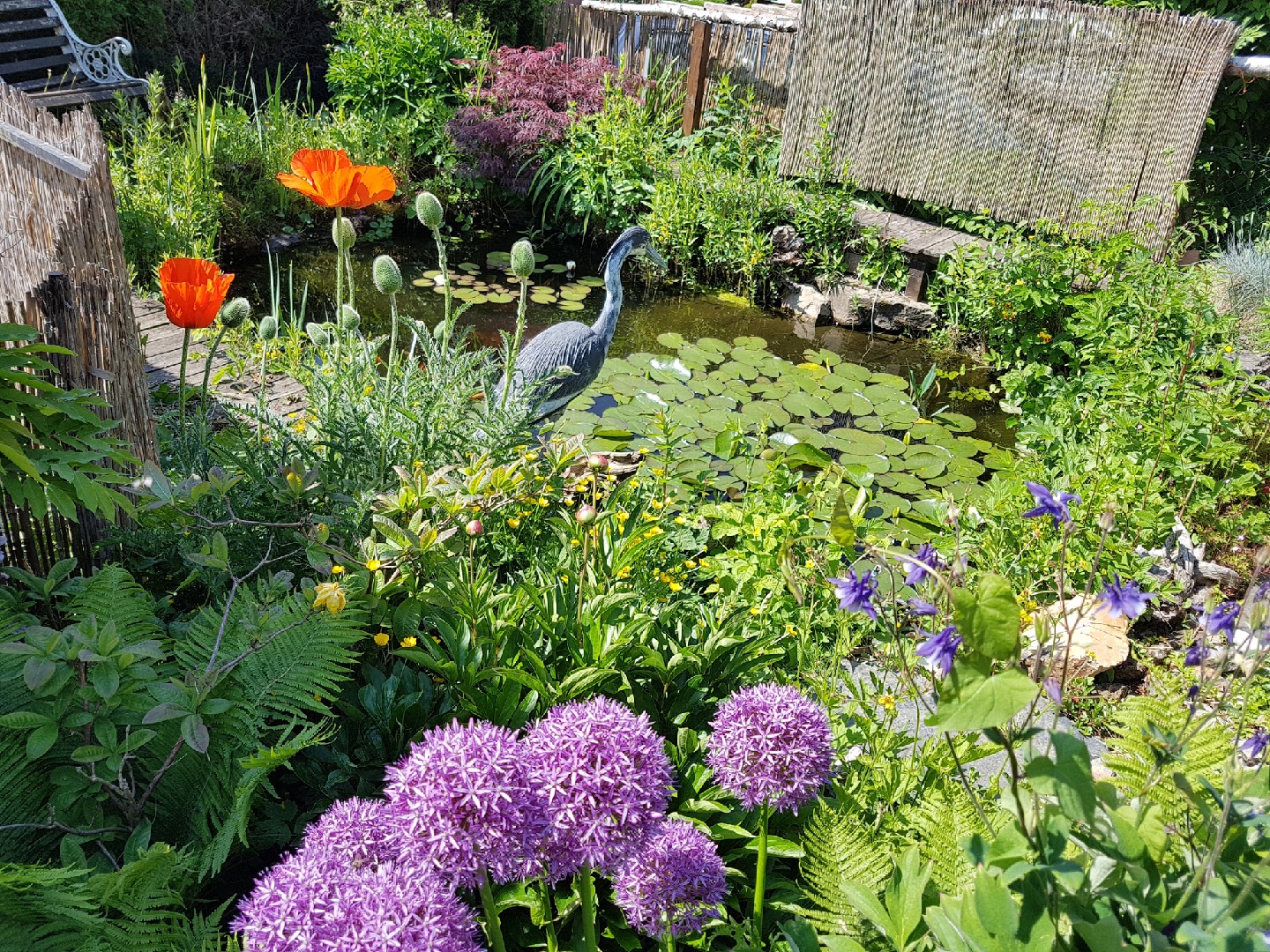
Conservation of water is another crucial environmental benefit of wildlife gardens. By incorporating water features, such as ponds or birdbaths, you are providing a valuable resource for wildlife, especially during dry periods. Additionally, using techniques like mulching and choosing drought-tolerant plants can significantly reduce water consumption in your garden. This not only conserves this precious resource but also reduces the strain on water treatment infrastructure and reduces the amount of runoff entering local water bodies.
In addition to the environmental benefits, interacting with nature in your backyard has numerous personal rewards and wellbeing benefits. Spending time in a wildlife garden can reduce stress, improve mood, and increase relaxation. The connection with nature has been shown to have significant mental health benefits, including reduced anxiety and increased happiness. Furthermore, observing and interacting with wildlife in your garden provides valuable opportunities for learning and environmental education, especially for children.
To create a wildlife-friendly garden sanctuary, start by researching and selecting native plant species that are well-suited to your region. These plants will attract a diverse range of native wildlife and require less maintenance than non-native species. Incorporate features like bird feeders, birdhouses, and nesting boxes to attract and support different bird species. Provide a variety of habitats, such as planting bushes and trees for nesting and roosting, and leaving areas of the garden untouched for natural habitat creation.
Remember that even small changes can have a significant impact. Choose organic gardening practices, conserve water, and minimize the use of synthetic fertilizers and pesticides. By making conscious decisions and actively participating in wildlife gardening, you can create a welcoming space for wildlife while making a positive impact on the environment. Your actions matter, and together we can create a network of wildlife sanctuaries that contribute to the conservation of our planet's biodiversity.