
camera identify
Try for Free
tab list
PictureThis
PictureThis
Search
Search Plants
Try for Free
This page looks better in the app

Harvest at Home: Cultivating Your Organic Eden for Table-Fresh Produce

Embark on a journey from garden to table with this comprehensive guide to growing your own organic produce. Get expert tips on seasonal planting, nurturing, and harvesting for the freshest, most flavorful fruits and vegetables.
Frame
Line
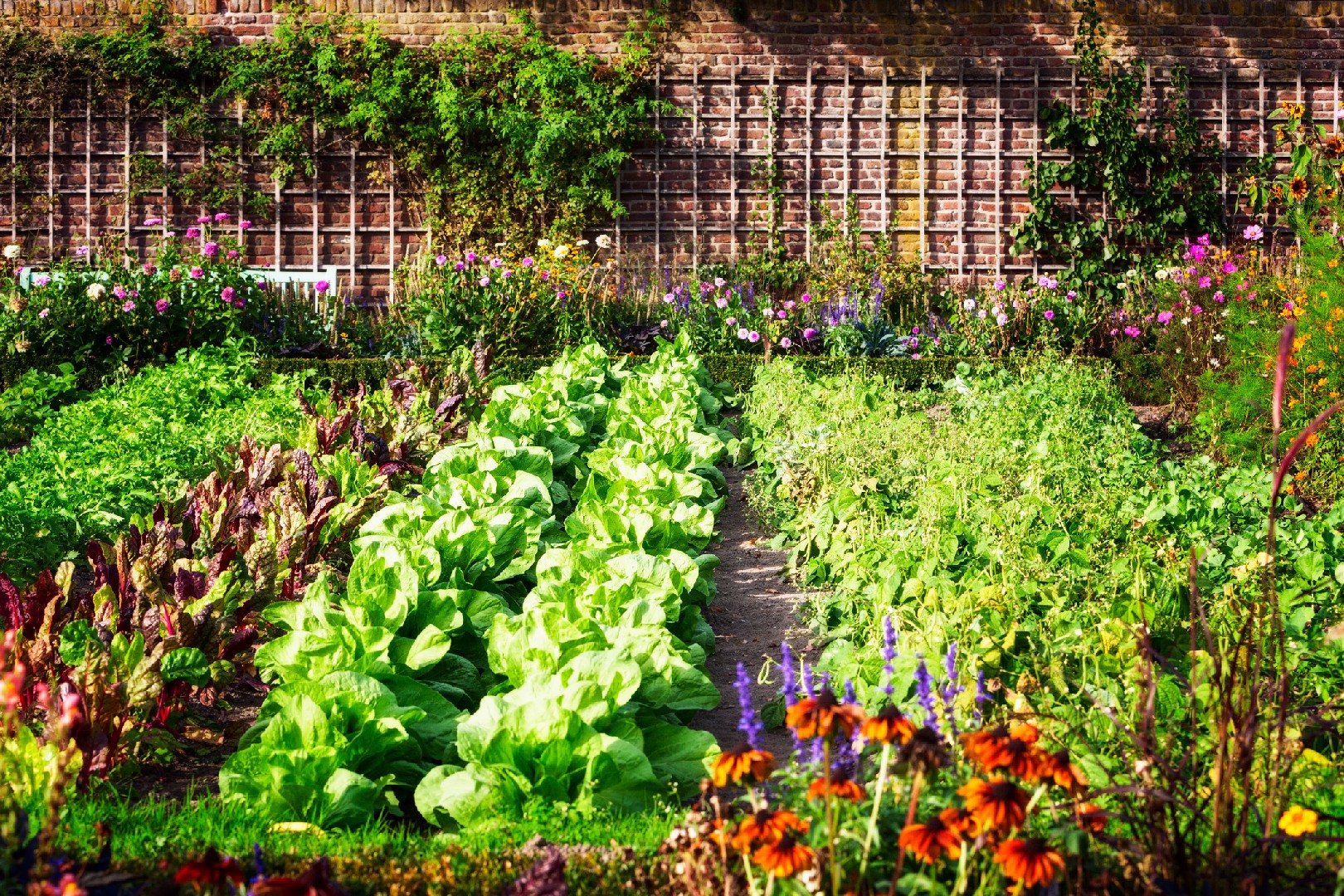
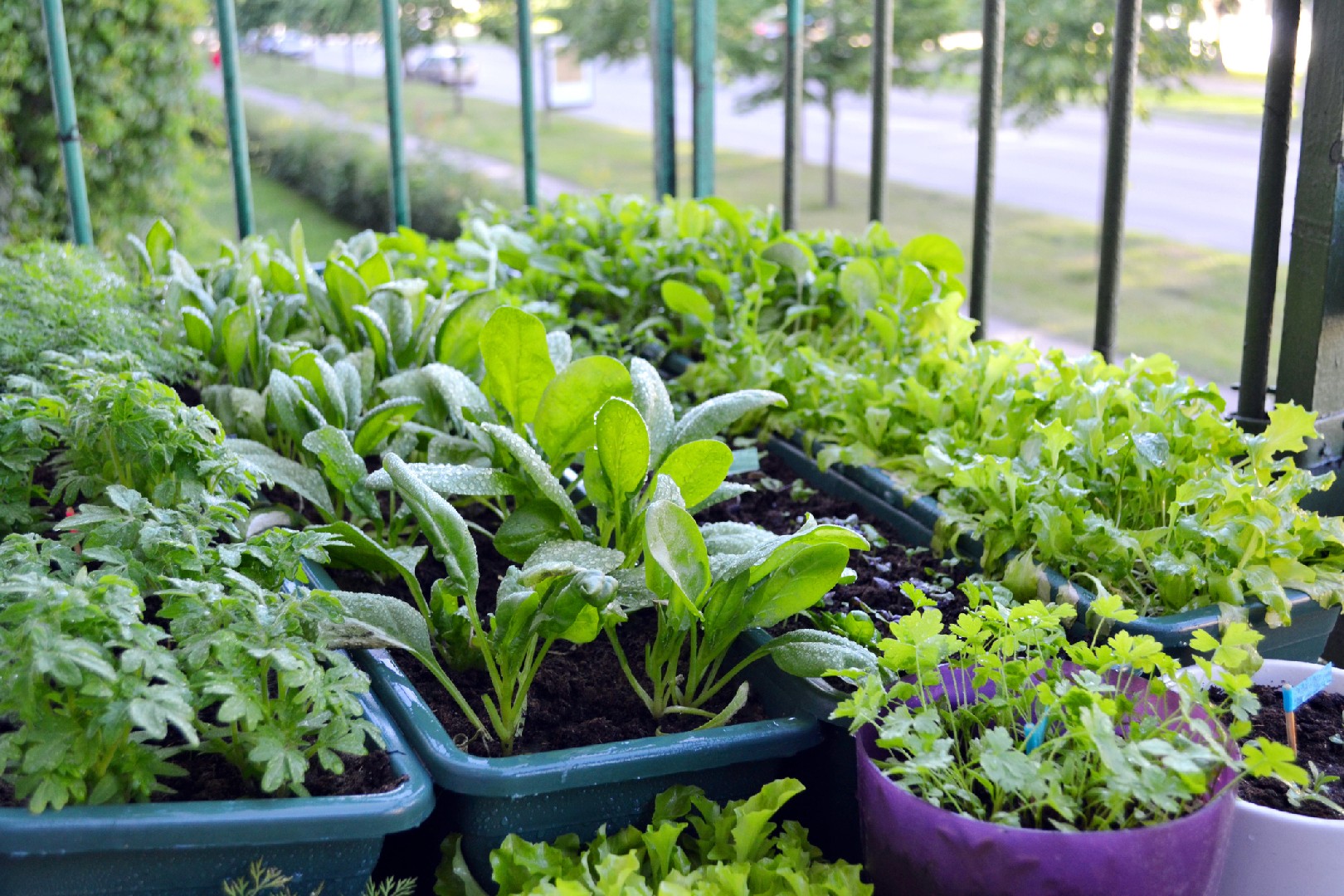
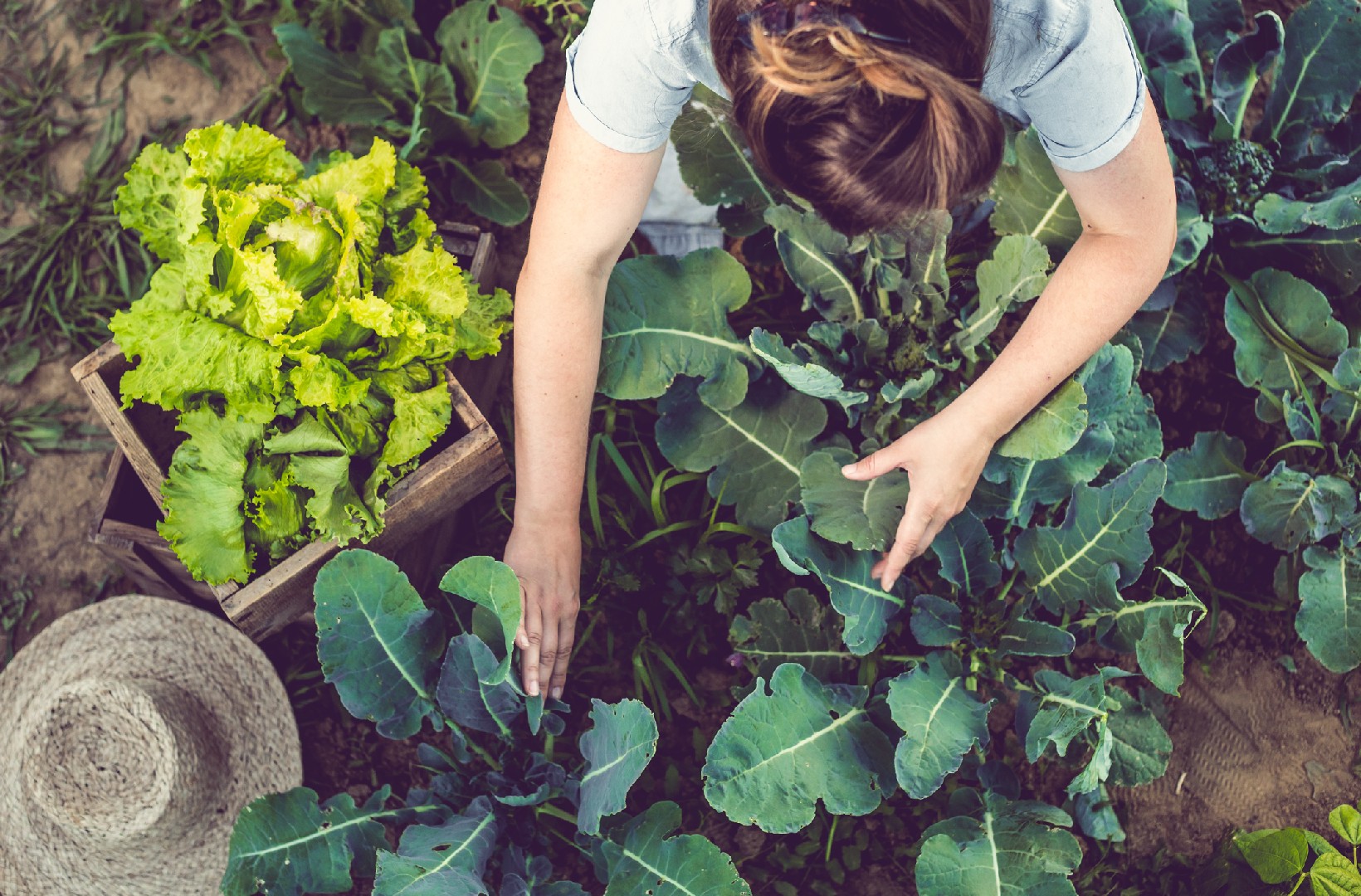
Cultivating your own organic garden is a rewarding journey that connects you with the earth and provides your table with the freshest, most nutritious produce. It's an act of care for your family's health and the environment. This guide empowers you with the knowledge to start your own organic garden, offering insights into the art of seasonal planting, caring for your crops naturally, and reaping the bountiful harvest. Whether you have a spacious backyard or a small urban balcony, you can grow a thriving garden that brings the joy of fresh, homegrown flavors to your kitchen.
Rectangle
Sowing the Seeds: Planning and Planting Your Organic Garden
Embarking on an organic gardening journey starts with meticulous planning and careful selection of plants suited to your local climate and soil conditions. Begin by analyzing your garden's microclimate, noting the hours of sunlight and shade, wind patterns, and soil type. These factors are instrumental in determining which crops will thrive in your garden.
Next, embrace the practice of seasonal planting. Educate yourself about cool-season crops like spinach, peas, and lettuce that prefer the chillier months, as well as warm-season crops like tomatoes, peppers, and cucumbers that bask in the summer sun. Timing your planting correctly ensures a steady harvest and optimal growth.
Consider integrating raised beds into your garden design. Raised beds offer excellent drainage, improved soil conditions, and ease of access for planting and maintenance. They also provide a barrier against some pests and can make an attractive feature in your garden.
When selecting seeds or seedlings, opt for organic-certified options to ensure your garden is truly organic from the start. Companion planting can also be a valuable strategy. This involves grouping plants that benefit each other by deterring pests, improving soil health, or providing shade or support.
Rectangle
Rectangle
Tending Your Garden: Organic Care and Maintenance
Cultivating an organic garden is a commitment to nurturing your plants in harmony with nature's rhythms. Watering is the lifeblood of your garden. Establish a consistent schedule, ideally in the early morning or late evening to reduce evaporation. Deep, infrequent watering encourages plants to develop robust root systems capable of seeking moisture from deeper soil layers.
Mulching is a multifunctional technique essential in organic gardening. A good layer of organic mulch, like straw, grass clippings, or leaves, helps retain soil moisture, suppresses weeds, and as it breaks down, adds nutrients back into the soil. It also provides a habitat for beneficial insects and microorganisms that contribute to the health of your garden.
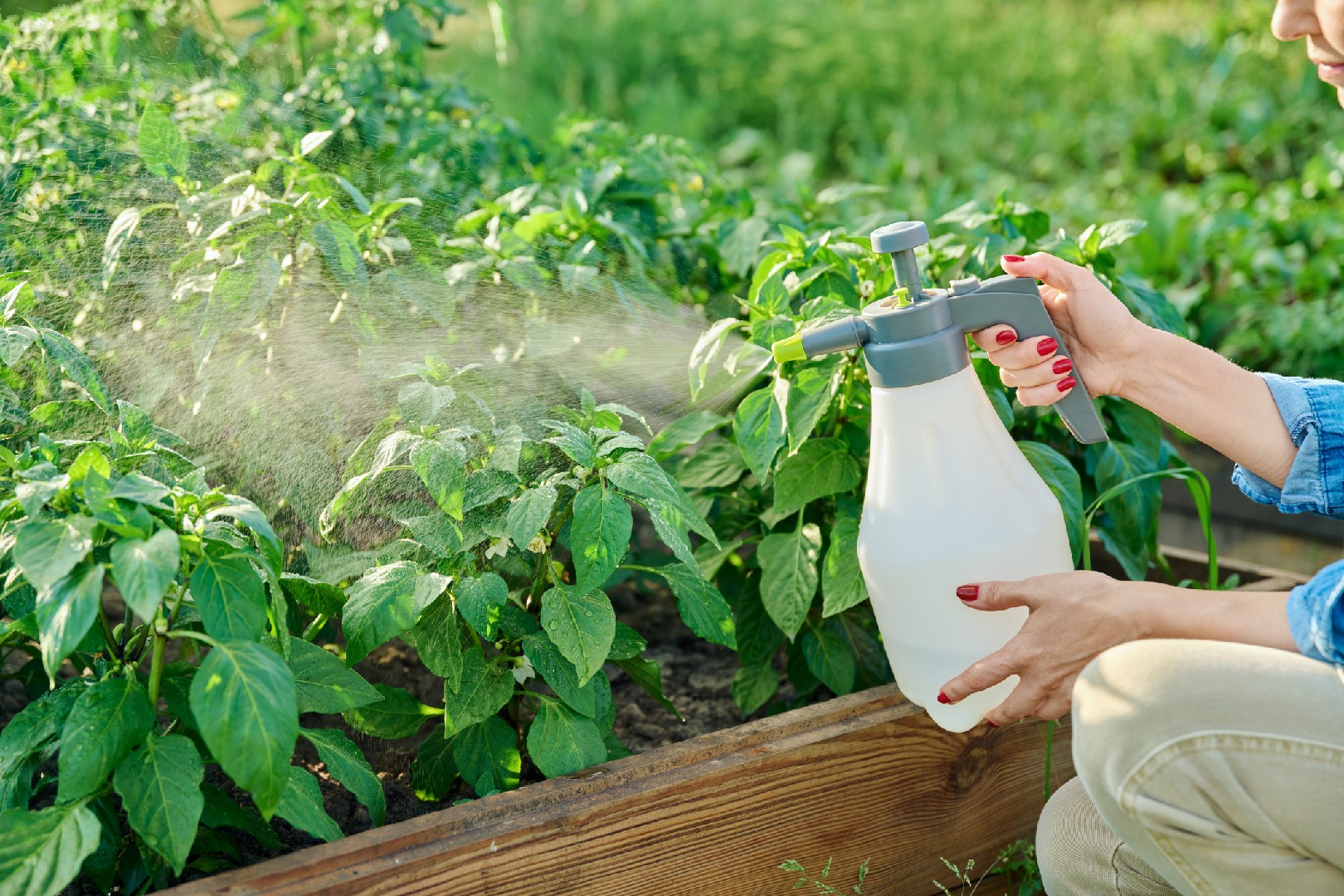
Organic pest management is proactive and preventative. Encourage a diverse ecosystem in your garden by attracting beneficial insects, like ladybugs and lacewings, that prey on common pests. Employ physical barriers such as netting or row covers to protect your plants. If pests do appear, identify them accurately and use targeted organic interventions, such as insecticidal soaps or neem oil, to address the issue without harming your garden's ecosystem.
Fertilization in an organic garden isn't just about feeding the plants; it's about enriching the soil. Regularly add organic matter in the form of compost or well-rotted manure. These materials improve soil structure, enhance microbial life, and slowly release nutrients, feeding your plants naturally over time.
Rectangle
Rectangle
The Joy of Harvest: Picking and Preserving Your Bounty
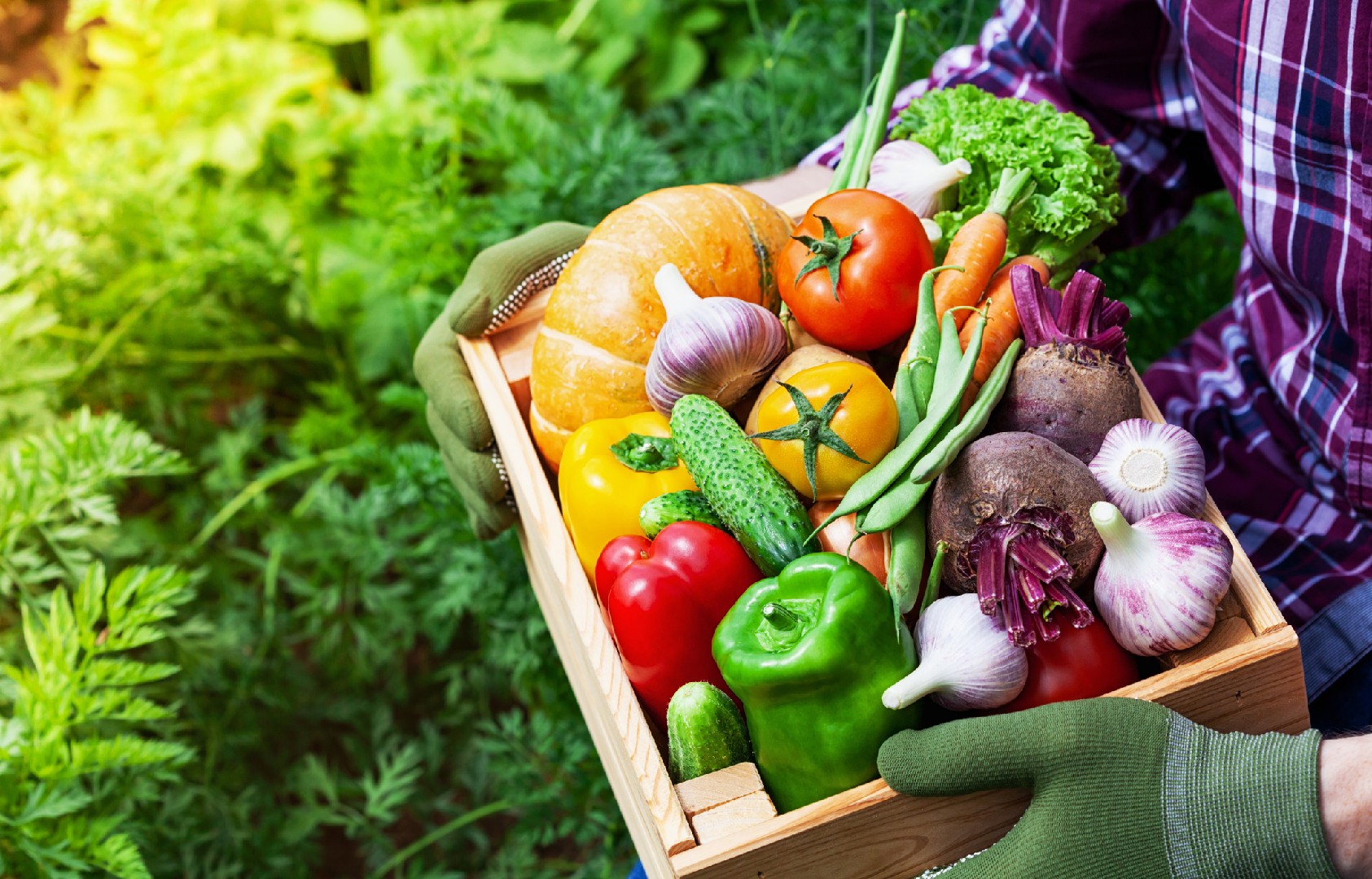
The harvest season is a time of celebration, marking the fruition of your efforts and care. To maximize the taste and nutritional value of your produce, it's crucial to harvest at the optimal time. Vegetables like zucchini and beans are best when picked young and tender, while root crops like carrots and potatoes can be left in the ground until needed. Leafy greens should be harvested in the cool part of the day to ensure they stay crisp.
Once harvested, proper storage is key to maintaining the freshness of your produce. Some vegetables, such as tomatoes and squash, are best stored at room temperature, while others like leafy greens and root vegetables should be kept in the refrigerator. Understanding the unique storage needs of each type of produce ensures that you can enjoy your garden's bounty for as long as possible.
For long-term preservation, consider techniques like canning, freezing, or drying. Canning is excellent for preserving sauces, jams, and pickles. Freezing is ideal for most vegetables and fruits, locking in flavor and nutrients. Drying herbs and some fruits allows you to enjoy their flavors year-round. Each method has its benefits and can be a rewarding way to extend the life of your garden's yield.
Rectangle
From Soil to Supper: Celebrating Your Organic Garden Journey
Growing your own organic produce is a journey of connection - to the earth, to your food, and to the rhythms of nature. It's a practice of patience, care, and environmental stewardship that rewards you with the freshest, healthiest produce right from your backyard. Embrace each step of this journey, from the careful planning and planting to the joyous harvest and preservation of your bounty. Let your organic garden be a source of pride and pleasure, offering a taste of wholesome, sustainable living with every bite.
Frame
Conclusion
Line
Cookie Management Tool
In addition to managing cookies through your browser or device, you can change your cookie settings below.
Necessary Cookies
Necessary cookies enable core functionality. The website cannot function properly without these cookies, and can only be disabled by changing your browser preferences.
Analytical Cookies
Analytical cookies help us to improve our application/website by collecting and reporting information on its usage.
Cookie Name Source Purpose Lifespan
_ga Google Analytics These cookies are set because of our use of Google Analytics. They are used to collect information about your use of our application/website. The cookies collect specific information, such as your IP address, data related to your device and other information about your use of the application/website. Please note that the data processing is essentially carried out by Google LLC and Google may use your data collected by the cookies for own purposes, e.g. profiling and will combine it with other data such as your Google Account. For more information about how Google processes your data and Google’s approach to privacy as well as implemented safeguards for your data, please see here. 1 Year
_pta PictureThis Analytics We use these cookies to collect information about how you use our site, monitor site performance, and improve our site performance, our services, and your experience. 1 Year
Cookie Name
_ga
Source
Google Analytics
Purpose
These cookies are set because of our use of Google Analytics. They are used to collect information about your use of our application/website. The cookies collect specific information, such as your IP address, data related to your device and other information about your use of the application/website. Please note that the data processing is essentially carried out by Google LLC and Google may use your data collected by the cookies for own purposes, e.g. profiling and will combine it with other data such as your Google Account. For more information about how Google processes your data and Google’s approach to privacy as well as implemented safeguards for your data, please see here.
Lifespan
1 Year

Cookie Name
_pta
Source
PictureThis Analytics
Purpose
We use these cookies to collect information about how you use our site, monitor site performance, and improve our site performance, our services, and your experience.
Lifespan
1 Year
Marketing Cookies
Marketing cookies are used by advertising companies to serve ads that are relevant to your interests.
Cookie Name Source Purpose Lifespan
_fbp Facebook Pixel A conversion pixel tracking that we use for retargeting campaigns. Learn more here. 1 Year
_adj Adjust This cookie provides mobile analytics and attribution services that enable us to measure and analyze the effectiveness of marketing campaigns, certain events and actions within the Application. Learn more here. 1 Year
Cookie Name
_fbp
Source
Facebook Pixel
Purpose
A conversion pixel tracking that we use for retargeting campaigns. Learn more here.
Lifespan
1 Year

Cookie Name
_adj
Source
Adjust
Purpose
This cookie provides mobile analytics and attribution services that enable us to measure and analyze the effectiveness of marketing campaigns, certain events and actions within the Application. Learn more here.
Lifespan
1 Year
This page looks better in the app
Open