
camera identify
Try for Free
tab list
PictureThis
PictureThis
Search
Search Plants
Try for Free
This page looks better in the app

From Green Algae to Redwoods: The History of Plants on Earth

Line
Earth, a dynamic sphere of ceaseless change, has borne witness to the intricate dance of evolution for billions of years. In this vast timeline, plants have painted a vivid tapestry of green across the planet, their stories woven into the very fabric of life. From the gentle sway of green algae in ancient waters to the towering majesty of the redwoods, the history of plants is a saga of resilience, innovation, and adaptability. Understanding the history of plants is not just an academic pursuit or a journey into Earth's distant past. It offers insights into our present and future. By tracing the evolutionary footsteps of plants, we gain perspective on the interconnectedness of life, the challenges organisms have faced, and the innovations they have embraced. Furthermore, as we stand at an environmental crossroads in our planet's history, learning from the ancient wisdom of plants offers a beacon of hope and guidance. Delving into the annals of plant evolution, we are reminded of the tenacity of life and the lessons embedded in the stories of these silent, yet resilient beings.
Rectangle
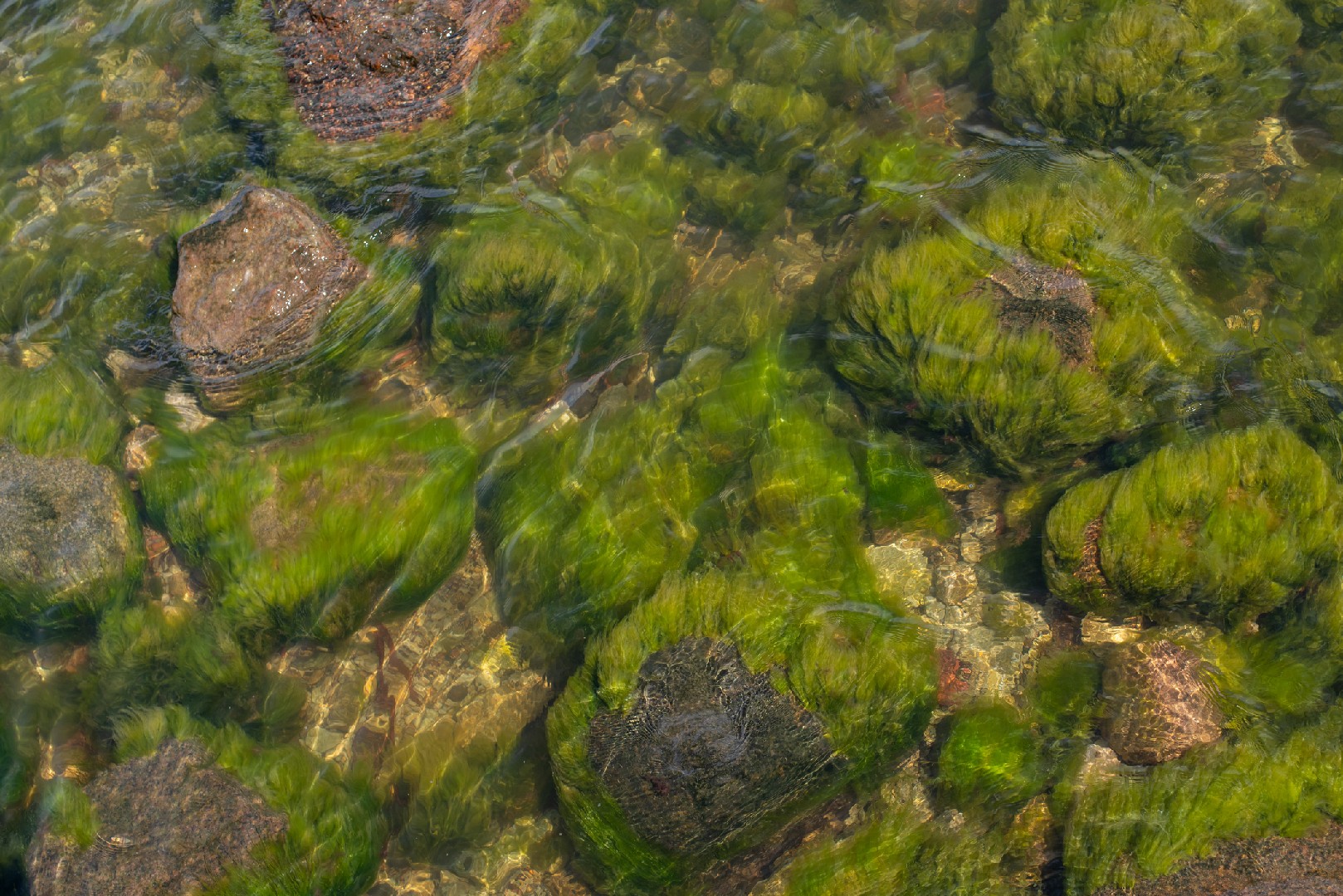
The Aquatic Beginnings: Green Algae
The origin story of plants is deeply rooted in the aquatic realm, where life itself first stirred. Here, in the tranquil waters of ancient Earth, green algae emerged as the earliest precursors to the vast and diverse kingdom of plants we see today. Resembling simple, green strands or sheets, these humble organisms paved the way for the green revolution that would eventually blanket the Earth. The environment of the primordial world was dramatically different from today. The atmosphere was dense, the land barren, and water bodies dominated the landscape. It was in this watery cradle that green algae thrived, capturing the sun's energy through photosynthesis and setting the stage for a future terrestrial takeover. Green algae's significance in the evolutionary timeline is monumental. As primary producers, they played a pivotal role in shaping the aquatic ecosystems, laying the groundwork for complex food webs. Furthermore, they were the torchbearers of chlorophyll, the green pigment that facilitates photosynthesis. This allowed them to harness solar energy, convert carbon dioxide into oxygen, and ultimately set the oxygenation events in motion. Their success in aquatic environments was the foundation upon which future plants would build. The evolutionary innovations of green algae provided a blueprint, giving rise to structures and mechanisms that would allow their descendants to venture beyond the water's edge and colonize the untapped terrains of dry land.
Rectangle
Rectangle
The Transition to Land: Challenges and Innovations
The audacious journey of plants from the aqueous realms to the vast expanses of terra firma wasn't straightforward. This transition, one of the most remarkable evolutionary feats, presented a plethora of challenges, each demanding unique adaptations for survival. In aquatic habitats, water was abundant and omnipresent. The watery medium provided buoyancy, negating the need for structural support, and nutrients were readily available, floating alongside the algae. However, on land, the environment was starkly different. Water, the elixir of life, was not consistently available, and the harsh sunlight, fluctuating temperatures, and dry air posed threats of desiccation. One of the foremost challenges was water conservation. In response, plants developed the cuticle, a waxy, waterproof layer covering their surfaces. This innovation minimized water loss, shielding plants from the drying effects of wind and sun. Yet, while the cuticle reduced water evaporation, it also impeded gas exchange, a crucial process for photosynthesis and respiration. To overcome this, plants evolved specialized microscopic pores called stomata. Located mainly on the undersides of leaves, these adjustable openings allowed plants to regulate gas exchange while minimizing water loss. When water is plentiful, stomata open to let in carbon dioxide and release oxygen. During drier conditions, they constrict to conserve moisture. Furthermore, to anchor themselves in the ground and absorb water and nutrients, plants developed root systems. These roots, over time, became intricate networks, not only serving as anchors but also playing pivotal roles in water absorption and nutrient uptake. These adaptations, among many others, equipped the early land pioneers to brave the new world's rigors. Through a delicate balance of innovation and adaptation, plants transformed Earth's barren landscapes into lush, green canvases, setting the stage for more complex life forms to evolve and thrive.
Rectangle
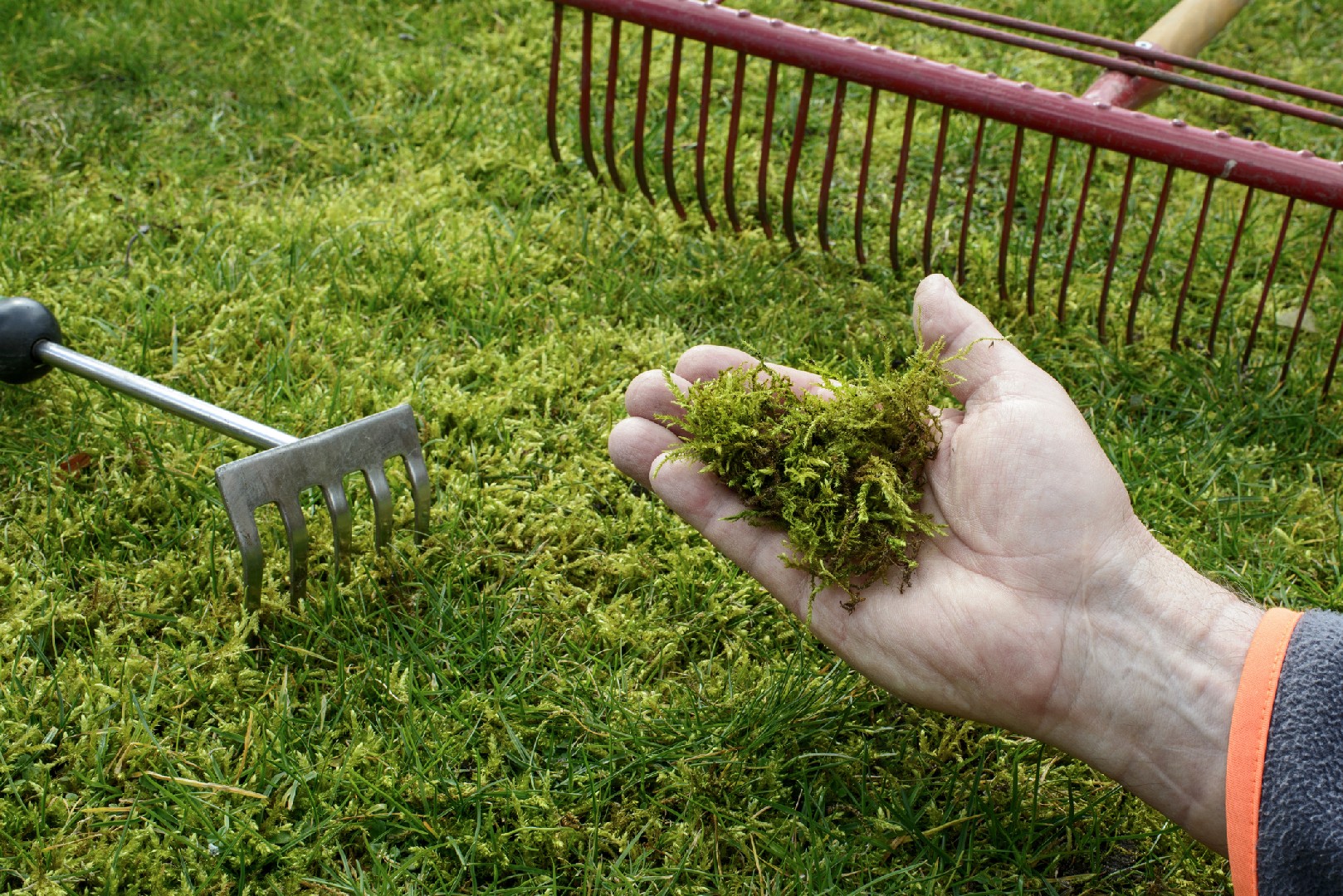
Mosses and Liverworts: The First Land Plants
When one imagines the first plants that graced Earth's landmasses, towering trees or vibrant flowers might not be the first images that come to mind. Instead, the initial land colonizers were humble, low-lying organisms: the bryophytes, which include mosses, liverworts, and hornworts. Bryophytes hold a significant position in the evolutionary timeline of plants. As the earliest land plants, they provide a living window into the past, giving us clues about the initial stages of terrestrial plant life. Their existence showcases the initial solutions to the challenges of terrestrial life, shedding light on evolutionary adaptations that paved the way for more complex plants. Unlike their later counterparts, bryophytes are non-vascular, meaning they lack specialized tissue systems (xylem and phloem) to transport water and nutrients. This absence of vascular tissues is one of the primary reasons bryophytes remain low to the ground, often forming lush carpets on forest floors, rocks, or along streams. Without the means to transport water efficiently over long distances, they rely heavily on their immediate environment to stay moist, making them common in damp, shaded areas. Due to their non-vascular nature, bryophytes employ a direct method of nutrient and water absorption. Every cell is in close contact with its surroundings, facilitating the direct uptake of what it needs from the environment. This intimacy with the environment gives bryophytes a unique sensitivity, making them valuable indicators of ecological changes. Liverworts, with their flattened, leaf-like thallus, and mosses, with tiny, leafy stems, may appear unassuming, but they are monumental in Earth's botanical story. They represent nature's initial foray into terrestrial life, setting foundational blueprints from which the towering forests of our world eventually emerged.
Rectangle
Rectangle
The Rise of Vascular Tissue: Ferns and Club Mosses
One of the most pivotal advancements in plant evolution was the emergence of vascular tissue. This specialized system of internal "pipes" – primarily xylem and phloem – allowed plants to transport water, nutrients, and food with efficiency, opening up new horizons for how and where plants could thrive. Vascular plants, or tracheophytes, marked a revolutionary departure from their bryophyte ancestors. The possession of xylem and phloem meant they were no longer entirely dependent on their immediate surroundings for moisture and could grow taller, reaching towards the sunlight and outcompeting their neighbors. The xylem, with its strong, lignified cells, not only transported water from the roots to other parts of the plant but also provided structural support. In contrast, the phloem distributed the food produced during photosynthesis throughout the plant. Among the earliest of these vascular plants were the ferns and club mosses. Ferns, with their feathery fronds and intricate patterns of sori (spore-producing structures), showcased the potential of vascular tissue. Unlike bryophytes, ferns can grow in a variety of habitats, from dense forests to arid mountaintops, thanks to their vascular system. Their lifecycle, characterized by alternation of generations, also highlighted another remarkable adaptation: the dominance of the sporophyte, or the diploid phase. Club mosses, on the other hand, might be misleading with their name. They aren't true mosses but are closer relatives to ferns. These plants, with their scale-like leaves and sporangia-topped stems or spikes, once had tree-sized members during the Carboniferous period, contributing to vast coal deposits we tap into today. The evolution of vascular tissue fundamentally transformed the potential and versatility of plant life on land. It allowed plants to colonize new terrains, achieve greater heights, and develop intricate internal transportation networks. This transformation paved the way for the green tapestry of forests and jungles that cloak our planet today, underscoring the profound influence of vascular tissues in the narrative of plant evolution.
Rectangle
The Seed Revolution: Gymnosperms
The progression of plant life took a monumental turn with the advent of seeds. This evolutionary leap offered a new mode of reproduction that bestowed plants with unparalleled advantages, ensuring their diversification and dominance in various habitats around the world. Seeds fundamentally altered the reproductive game for plants. Unlike the spores of their predecessors, seeds are multicellular and come equipped with a protective coat and a food reserve. This makes them resilient, capable of withstanding adverse conditions such as drought, cold, or even prolonged periods of dormancy. When conditions become favorable, the stored nutrients ensure the young plant's survival until it can produce its own food. This ability to "wait out" and then "kickstart" life gave seed plants a significant edge in various challenging environments. Within the umbrella of seed-producing plants, gymnosperms were the trailblazers. The term 'gymnosperm' translates to "naked seed", highlighting the fact that their seeds aren't enclosed within a fruit, but are often borne on cone scales. This group includes the conifers, cycads, ginkgo, and gnetophytes. Conifers, such as pines, firs, and cedars, are perhaps the most recognizable gymnosperms. With their needle-like leaves and iconic cones, they dominate many of the world's boreal forests and mountainous regions. The ancient cycads, with their stout trunks and palm-like appearance, were once more widespread but are now primarily restricted to tropical and subtropical areas. The ginkgo tree, often referred to as a "living fossil", is the sole survivor of its group and is celebrated for its fan-shaped leaves and resilience to urban pollution. During the Mesozoic era, often dubbed the "Age of Dinosaurs", gymnosperms reigned supreme. Their dominance is evident from the extensive fossil records showcasing vast forests of cycads, ginkgoes, and conifers that these behemoths roamed. In retrospect, the emergence of gymnosperms marked a turning point in the history of plant evolution. They not only introduced the world to the wonders of seeds but also laid the groundwork for the next big revolution in the plant kingdom: the rise of flowering plants. The era of gymnosperms provides a window into a world where plants began to master their environments like never before.
Rectangle
Rectangle
Flowers and Fruits: The Dominance of Angiosperms
The landscape of plant evolution witnessed a transformative epoch with the emergence of angiosperms, or flowering plants. These botanical wonders did not just bring splashes of color and aroma to our world; they fundamentally changed the dynamics of plant reproduction, driving the dominance of angiosperms in virtually every habitat on Earth today. Flowering plants possess a unique reproductive structure: the flower. These aren't just ornamental; they are highly efficient reproductive machines. Flowers entice a myriad of pollinators through their colors, shapes, and scents. This attraction isn't accidental. By aligning their reproductive needs with the dietary needs of pollinators, angiosperms ensured that their pollen reached other flowers of the same species, maximizing the chances of successful fertilization. This strategy contrasted with the hit-or-miss approach of wind-pollinated plants, offering a more targeted and efficient method of reproduction. The relationship between flowers and their pollinators epitomizes mutualism. Birds, bees, bats, and even some mammals are lured into this symbiotic dance. For instance, the deep tubular flowers of certain species are tailored for hummingbirds, allowing only them access to the nectar, ensuring that they assist in pollination. Orchids employ intricate mechanisms, sometimes mimicking the appearance or scent of female insects, ensuring that male insects are drawn to them, facilitating their pollination process. Post-pollination, the story doesn't end. Flowers take the next evolutionary step by developing into fruits. These structures protect the developing seeds inside and, once mature, play a pivotal role in seed dispersal. Fruits employ various strategies for this purpose: some are edible and attract animals, which consume them and excrete the seeds elsewhere; others have hooks or sticky surfaces to attach to animal fur; while some are lightweight and designed to be carried away by the wind. The formation of fruits is yet another evolutionary masterstroke of angiosperms, ensuring that their offspring (seeds) reach diverse habitats, enhancing survival chances. From the vibrant meadows to the dense rainforests, and from arid deserts to suburban gardens, the dominance of angiosperms is undeniable. Their evolutionary innovations, particularly flowers and fruits, have not only enriched our planet's biodiversity but have also profoundly impacted the lives of countless other organisms, including humans.
Rectangle
Rectangle
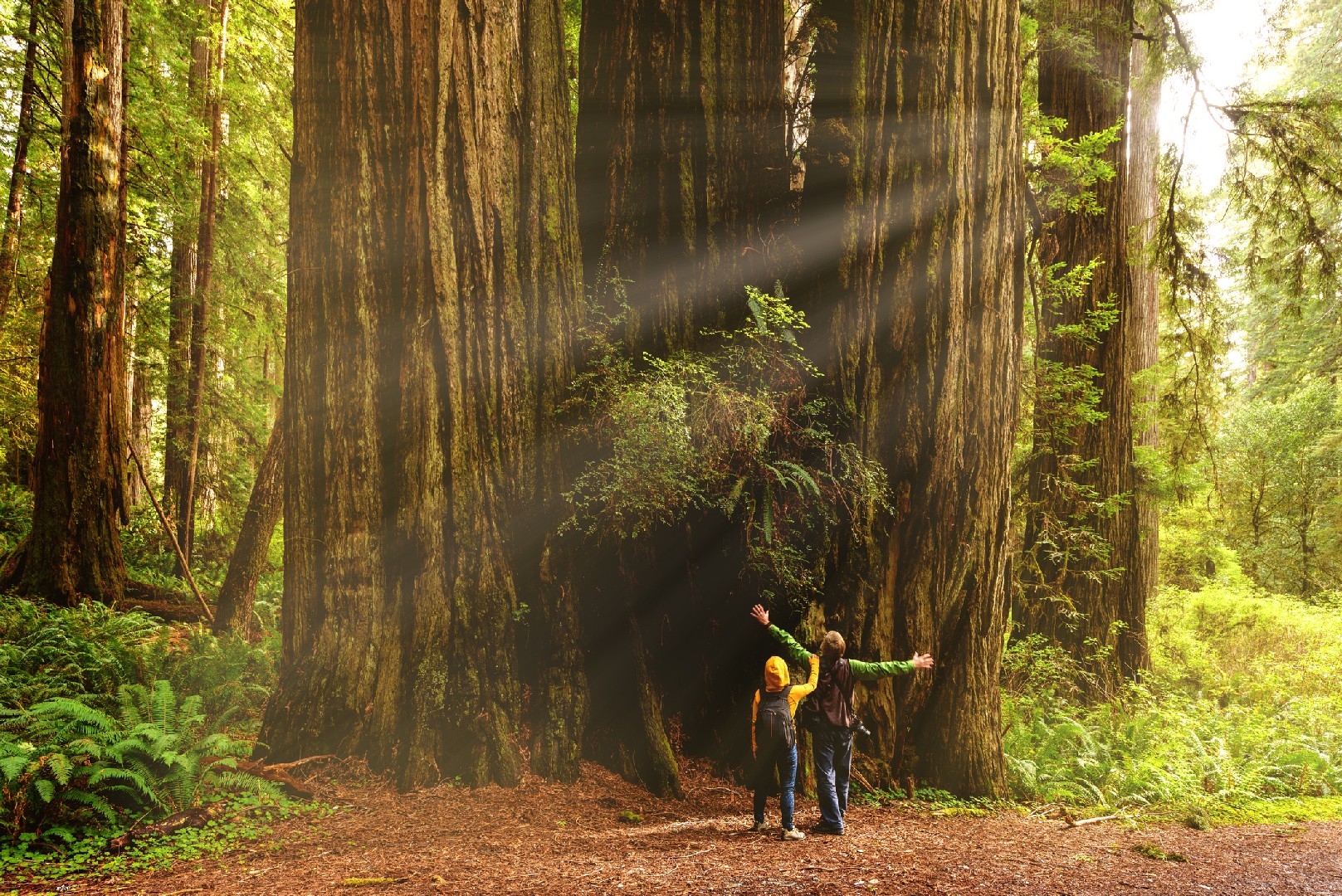
Giant Trees and Forests: Celebrating Redwoods and Other Giants
Among the vast tapestry of Earth's biodiversity, few organisms command as much awe as the towering giants of the plant kingdom. Redwoods, in particular, stand as sentinels of time, with some individuals having witnessed over two millennia of history. These colossal trees, reaching heights of over 350 feet, represent some of the planet's largest and oldest living entities. Beyond their sheer size, giant trees like redwoods, sequoias, and ancient baobabs play pivotal roles in the ecosystem. They provide habitat for numerous species, from their shaded understorey to their lofty canopies. Their vast root systems regulate soil health and water flow, and their presence significantly influences local climate patterns. Moreover, these behemoths are carbon sequestration champions, helping mitigate the impacts of climate change. In essence, these titanic trees are not just symbols of nature's grandeur but also ecological cornerstones, vital for maintaining the health and balance of our planet's ecosystems.
Conclusion
From the microscopic simplicity of green algae to the towering majesty of ancient redwoods, the evolutionary journey of plants is nothing short of spectacular. Over millions of years, plants have woven a tale of adaptation, innovation, and survival. Their journey narrates Earth's changing landscapes, climates, and the continuous dance of life. Understanding this journey is more than just an academic pursuit. It offers a lens into the resilience and adaptability of life on Earth. Plants have faced countless challenges, from the transition to harsh terrestrial habitats to the competition for resources. Yet, with each challenge, they have evolved, diversified, and thrived. However, as we stand at a unique point in Earth's history, the narrative of plants serves as a poignant reminder. The rich tapestry of plant life, which has taken eons to develop, is vulnerable. Human activities threaten habitats, disrupt ecological balances, and accelerate climate change. In this context, the story of plant evolution underscores the urgency of conservation. It is our collective responsibility to safeguard this rich history and unparalleled diversity. By understanding and appreciating the legacy of plants, we can better champion the cause of their conservation. As custodians of the planet, let us celebrate the wonders of plant life and commit to ensuring that their story continues for generations to come.
Frame
Conclusion
Line
Cookie Management Tool
In addition to managing cookies through your browser or device, you can change your cookie settings below.
Necessary Cookies
Necessary cookies enable core functionality. The website cannot function properly without these cookies, and can only be disabled by changing your browser preferences.
Analytical Cookies
Analytical cookies help us to improve our application/website by collecting and reporting information on its usage.
Cookie Name Source Purpose Lifespan
_ga Google Analytics These cookies are set because of our use of Google Analytics. They are used to collect information about your use of our application/website. The cookies collect specific information, such as your IP address, data related to your device and other information about your use of the application/website. Please note that the data processing is essentially carried out by Google LLC and Google may use your data collected by the cookies for own purposes, e.g. profiling and will combine it with other data such as your Google Account. For more information about how Google processes your data and Google’s approach to privacy as well as implemented safeguards for your data, please see here. 1 Year
_pta PictureThis Analytics We use these cookies to collect information about how you use our site, monitor site performance, and improve our site performance, our services, and your experience. 1 Year
Cookie Name
_ga
Source
Google Analytics
Purpose
These cookies are set because of our use of Google Analytics. They are used to collect information about your use of our application/website. The cookies collect specific information, such as your IP address, data related to your device and other information about your use of the application/website. Please note that the data processing is essentially carried out by Google LLC and Google may use your data collected by the cookies for own purposes, e.g. profiling and will combine it with other data such as your Google Account. For more information about how Google processes your data and Google’s approach to privacy as well as implemented safeguards for your data, please see here.
Lifespan
1 Year

Cookie Name
_pta
Source
PictureThis Analytics
Purpose
We use these cookies to collect information about how you use our site, monitor site performance, and improve our site performance, our services, and your experience.
Lifespan
1 Year
Marketing Cookies
Marketing cookies are used by advertising companies to serve ads that are relevant to your interests.
Cookie Name Source Purpose Lifespan
_fbp Facebook Pixel A conversion pixel tracking that we use for retargeting campaigns. Learn more here. 1 Year
_adj Adjust This cookie provides mobile analytics and attribution services that enable us to measure and analyze the effectiveness of marketing campaigns, certain events and actions within the Application. Learn more here. 1 Year
Cookie Name
_fbp
Source
Facebook Pixel
Purpose
A conversion pixel tracking that we use for retargeting campaigns. Learn more here.
Lifespan
1 Year

Cookie Name
_adj
Source
Adjust
Purpose
This cookie provides mobile analytics and attribution services that enable us to measure and analyze the effectiveness of marketing campaigns, certain events and actions within the Application. Learn more here.
Lifespan
1 Year
This page looks better in the app
Open