
camera identify
Try for Free
tab list
PictureThis
PictureThis
Search
Search Plants
Try for Free
This page looks better in the app

The Art and Science of Growing Plants: Basics of Horticulture

Line
The gentle touch of morning sun, the gratifying sight of dew-kissed blossoms, and the subtle scent of freshly turned earth – gardening is a symphony of sensations that speaks to the soul. A mosaic of colors in a flower bed, the crunch of a home-grown vegetable, or the soothing shade of a leafy canopy, the joys of horticulture are multifaceted and deeply fulfilling. For many, this art of nurturing plants is not just a hobby but a passionate journey of connection – with nature, with oneself, and with the cycles of life. Yet, while the rewards are abundant, the world of gardening can appear intimidating to the uninitiated. How do you begin? Which plants should you choose? How often should you water? If you've ever found yourself pondering these questions, you're in the right place. This article aims to guide novices on their horticultural journey, offering a roadmap to the basics of growing plants. Think of it as a gentle hand guiding you through the verdant maze, ensuring that your first steps into this wondrous world are as informed as they are inspired. Welcome to the art and science of horticulture.
Rectangle
Choosing the Right Plants for Your Garden
Selecting plants for your garden is akin to painting on a canvas, but instead of colors and brushes, you're working with foliage, flowers, and environments. The choices you make now can set the tone for your garden's future success. So, how do you ensure that your choices are informed and fitting?
  1. Understand Your Zone and Climate: Before purchasing any plant, it's crucial to know your hardiness zone, which is a geographical categorization of areas based on their average minimum winter temperature. This helps determine which plants are most likely to thrive in your location. Apart from zones, also consider your local climate's temperature fluctuations, rainfall patterns, and seasonal changes. For example, succulents might be ideal for a dry, desert-like climate, while ferns prefer damp, shaded areas.
  2. Define Your Garden's Purpose: Do you envision a garden bursting with colorful blossoms that attract butterflies? Or perhaps a kitchen garden laden with herbs, vegetables, and fruits? Maybe you want a fusion of both! Determining the purpose of your garden will guide your plant selections. Ornamental plants focus on aesthetics, edibles provide fresh produce, while some plants can fulfill dual roles.
  3. Research Plant Requirements: Every plant has its own set of needs. While some might bask in the full glory of the sun, others prefer the cool embrace of shade. Understanding the sunlight, water, and soil requirements of each plant is paramount. For instance, lavender thrives in well-draining soil and full sun, whereas hostas seek out shade and moist, fertile ground. In essence, choosing the right plants requires a blend of research, understanding your environment, and visualizing the garden of your dreams. Matching plant needs with your garden's conditions is the key to creating a flourishing and vibrant landscape.
Rectangle
Rectangle
Planting Basics: Getting Started
Embarking on the horticultural journey is an exhilarating experience. However, just as an artist needs to prime their canvas for optimal results, gardeners too must prepare their grounds. Let’s dive into the fundamental steps to ensure your plants have the best possible start.
  1. The Essence of Good Soil: At the heart of every thriving garden is nutrient-rich, well-draining soil. Soil acts as the foundation, providing plants with essential nutrients, water, and oxygen. Whether you're preparing raised garden beds or pots, begin by assessing your soil's quality. If it's too sandy or too clayey, consider amending it. For garden beds, incorporate organic compost or well-decomposed manure. For pots, ensure they have drainage holes and use a high-quality potting mix.
  2. To Seed or Not to Seed: There's a distinct charm in watching a seed transform into a full-fledged plant. Seeds are generally less expensive and offer a wider variety of options. However, they require patience and can be a tad unpredictable, especially for novices. On the other hand, young plants or transplants provide instant gratification, giving your garden a head start. They are less susceptible to pests and environmental stresses but tend to be pricier. Your choice should factor in your budget, patience level, and the specific plants you're keen on growing.
  3. Getting the Spacing, Depth, and Orientation Right: Overcrowding can stunt growth and promote diseases. Thus, it's vital to give each plant its deserved space to flourish. Refer to plant tags or seed packets for specific spacing guidelines. As for planting depth, a general rule of thumb is to plant seeds about twice as deep as their diameter. Young plants should be planted at the same depth they were growing in their original container. Orientation is crucial for sun-loving plants; ensure they face the direction that receives ample sunlight. In conclusion, starting on the right foot in gardening requires a mix of knowledge, preparation, and love. By focusing on these fundamentals, you set the stage for a garden that's not just healthy, but also a reflection of your dedication.
Rectangle
Watering Wisely: Not Too Little, Not Too Much
Watering, while seemingly simple, is an art. Striking the right balance is crucial because both too much and too little water can spell disaster for your plants. With the right approach, you can keep your garden thriving and conserve water in the process.
  1. Timing is Everything: The best times to water your garden are during the early morning or late afternoon. Morning watering allows plants to absorb the moisture they need to withstand the heat of the day, while late afternoon watering, preferably a few hours before sunset, reduces the risk of fungal diseases that can thrive in the cool and damp conditions of the night. Avoid midday watering, as the intense sun can cause rapid evaporation and even scald the plants.
  2. Reading the Signs: Plants have a way of communicating their needs. Over-watered plants may display yellowing leaves, a sign that their roots are sitting in water for extended periods, leading to rot. On the other hand, under-watered plants might have dry, brown, and crispy edges. Soil tests can also guide you: if the soil feels damp two inches below the surface, it's not time to water yet.
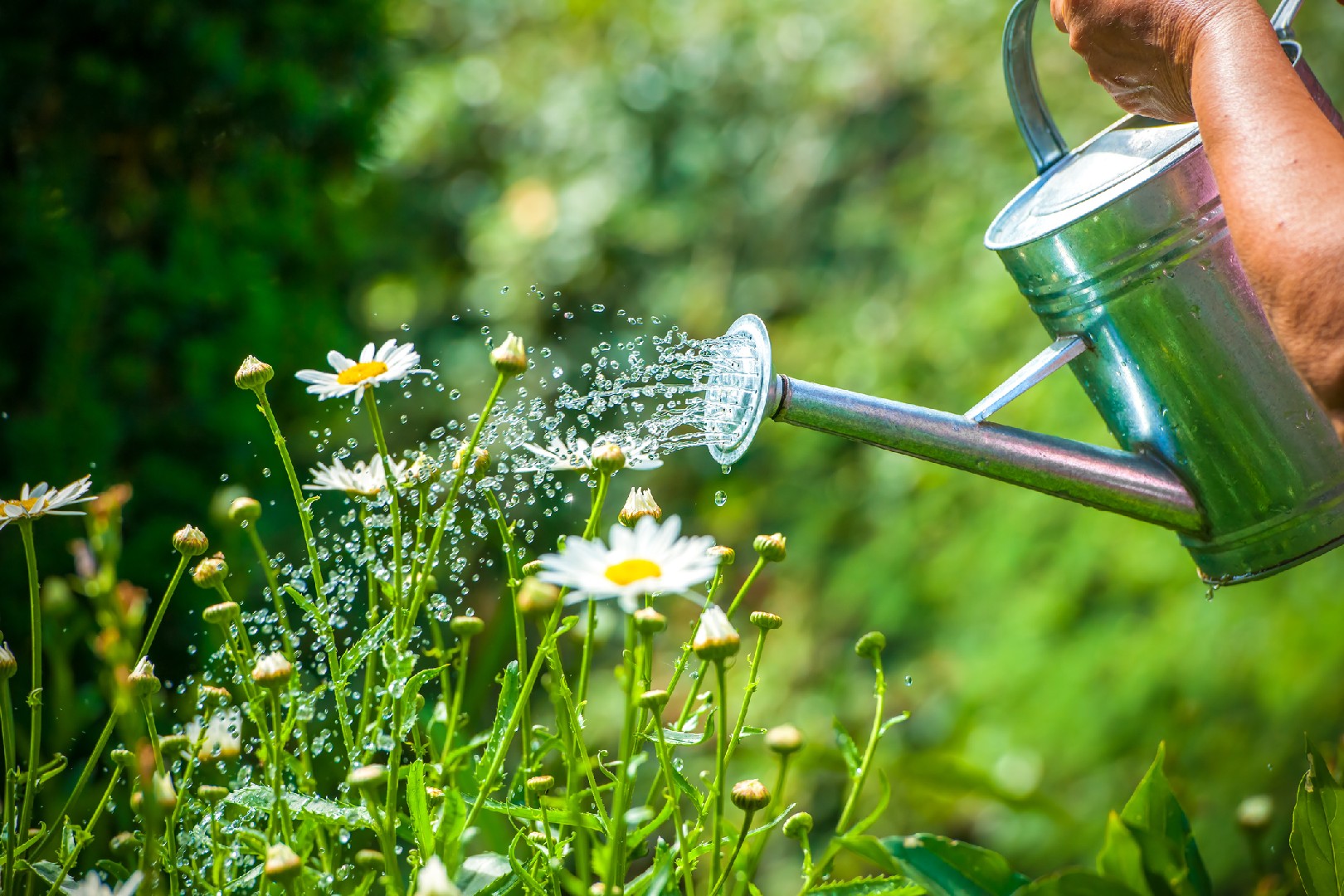
  3. Choose Your Tools: Different gardens demand different tools. Drip irrigation systems deliver water directly to plant roots, reducing evaporation and ensuring consistent moisture. Soaker hoses are excellent for garden beds as they allow water to seep out along their length. For potted plants or smaller garden areas, a simple watering can may suffice. Regardless of your tool, the goal is even, deep watering that encourages robust root growth. In essence, watering is more than just a chore; it's a mindful practice. By observing, understanding, and using the right tools, you'll not only nurture your plants but also foster a deeper connection with your garden.
Rectangle
Rectangle
The Sunlight Spectrum: Ensuring Adequate Light
Light is the lifeblood of plants. Through photosynthesis, they transform sunlight into energy, powering their growth. But not all plants have the same sunlight requirements, and as a gardener, understanding these needs is crucial for a thriving garden.
  1. Decoding Sunlight Requirements:
  • Full Sun: Plants that demand full sun require at least six to eight hours of direct sunlight daily. These plants, such as many vegetable crops and sunflowers, thrive under the full intensity of the sun.
  • Partial Sun/Partial Shade: These terms can often be used interchangeably. Plants in this category need three to six hours of sunlight each day, preferably in the morning or early afternoon. Examples include some flowering perennials like impatiens and begonias.
  • Shade: Shade plants can survive with less than three hours of direct sunlight, but they still need some light. Ferns and hostas are classic examples.
  1. The Dance of the Sun: Recognizing the sun's trajectory is vital. In the Northern Hemisphere, the sun moves from the east to the west, passing through the southern sky. Positioning sun-loving plants in south-facing spots ensures they get ample light. Conversely, north-facing areas might be more suitable for shade-loving plants.
  2. Bright Solutions for Low Light: In gardens with limited sunlight, all is not lost. Using reflective materials, like white stones or mirrors, can amplify available light. Alternatively, consider shade-tolerant plants or even introducing shade-specific garden beds. Grow lights are also an option for indoor gardeners, mimicking the sun's spectrum and intensity. In conclusion, by tuning into the sunlight spectrum and aligning it with the plants' needs, you set the stage for a flourishing garden, where every plant gets its moment in the sun.
Rectangle
Feeding Your Plants: Fertilizers and Nutrients
Rectangle
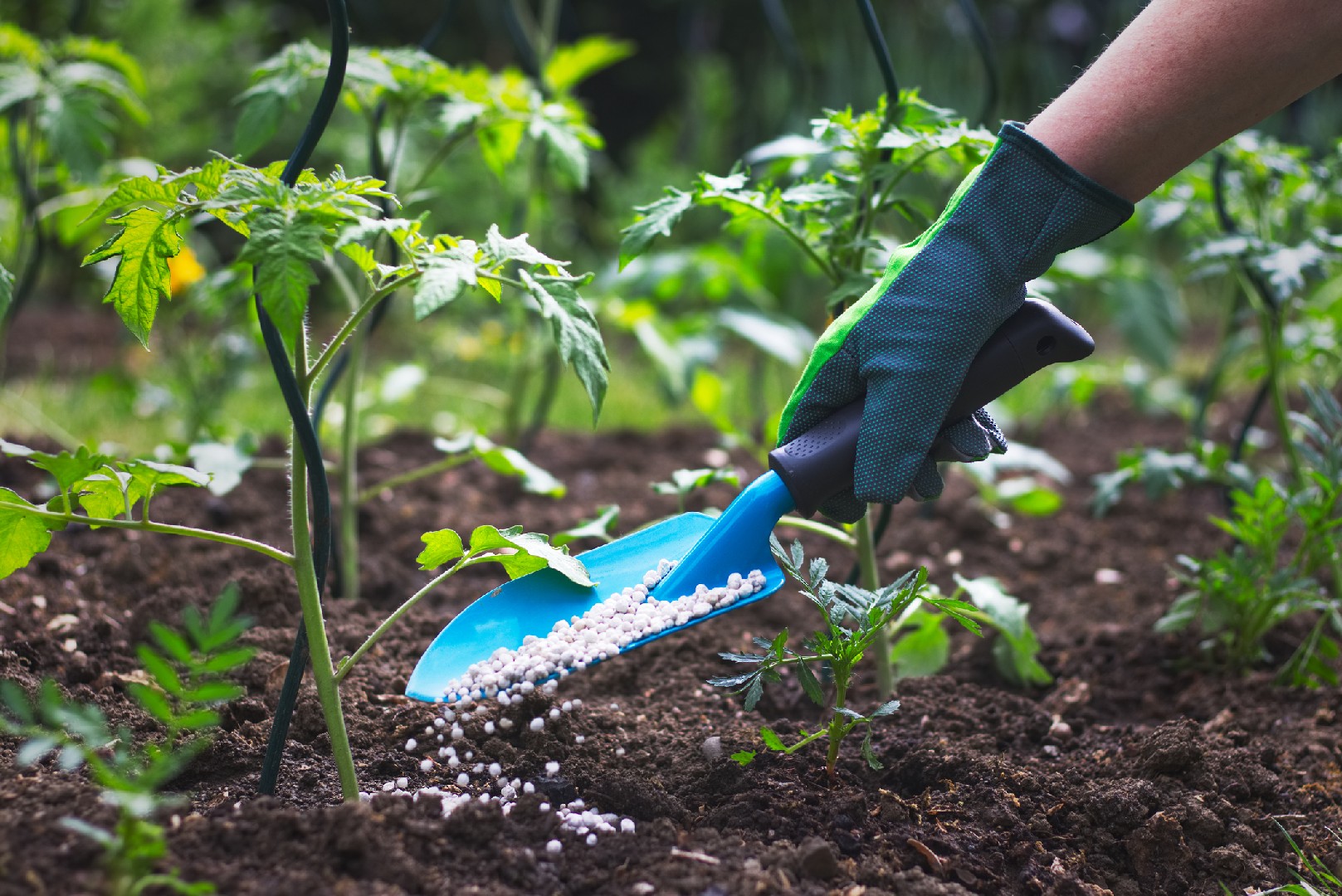
Just as humans require a balanced diet for optimal health, plants too need a mix of nutrients to grow and thrive. Ensuring they receive the right nourishment is an integral part of gardening.
  1. Demystifying N-P-K: At the core of plant nutrition are three essential elements: Nitrogen (N), Phosphorus (P), and Potassium (K). These elements are prominently featured on fertilizer labels in the form of N-P-K values.
  • Nitrogen (N) supports leafy, vegetative growth. It's vital for plants in their early stages or for leafy vegetables like lettuce and spinach.
  • Phosphorus (P) promotes healthy root development and is crucial for flowering plants and fruits.
  • Potassium (K) is essential for overall plant health as it regulates many physiological processes, including water uptake and photosynthesis.
  1. Organic vs. Synthetic Fertilizers:
  • Organic Fertilizers: Derived from plant and animal sources, organic fertilizers release nutrients slowly, enriching the soil over time. Examples include compost, bone meal, and seaweed extracts.
  • Synthetic Fertilizers: These are man-made and provide nutrients quickly. While effective, they might not improve soil structure in the long run and can sometimes cause nutrient burn if over-applied.
  1. Spotting and Rectifying Nutrient Deficiencies: Yellowing leaves, stunted growth, or poor flowering can indicate nutrient deficiencies. For example, yellow leaves with green veins might signal an iron deficiency. Remedies include adjusting the pH of the soil, adding specific nutrient-rich fertilizers, or even foliar sprays. In conclusion, understanding and providing the right nutrition is paramount for healthy plants. By paying attention to the signs and acting promptly, gardeners can ensure their plants remain vibrant and productive.
Rectangle
Dealing with Pests and Diseases
A flourishing garden is a joy to behold, but it can also attract unwelcome guests: pests and diseases. Addressing these challenges early and effectively ensures a healthier garden, without resorting to harmful chemicals.
  1. Common Garden Pests:
  • Aphids: Tiny, pear-shaped insects that suck sap from plants. They often cluster on the undersides of leaves, leading to wilting or yellowing. Combat aphids by spraying plants with a soapy water mixture or introducing natural predators like ladybugs.
  • Caterpillars: The larvae of many butterfly and moth species can chew large holes in leaves. Hand-picking them off plants during early morning or evening can be effective. Organic solutions like Bacillus thuringiensis (Bt) caterpillar control can also be employed.
  • Slugs: These slimy pests devour young plants and tender leaves. They thrive in damp conditions, so keeping the garden area well-drained can deter them. Placing beer traps or sprinkling diatomaceous earth around plants can also keep slugs at bay.
  1. Recognizing Plant Diseases:
  • Powdery Mildew: It appears as white, powdery spots, primarily on the upper sides of leaves. Increasing air circulation and ensuring plants aren't crowded can prevent its onset. Organic fungicides or a mixture of baking soda and water can help treat affected plants.
  • Rust: Identified by orange-brown pustules on the undersides of leaves, rust weakens plants over time. Removing infected leaves and ensuring good air circulation is key to managing rust.
  1. Organic and Non-Toxic Solutions:
  • Neem Oil: A versatile, natural pesticide that targets pests without harming beneficial insects.
  • Beneficial Insects: Introducing predators like ladybugs, lacewings, and parasitic wasps can help control pest populations naturally. In summary, while pests and diseases are inevitable in gardening, they can be managed with eco-friendly and non-toxic solutions. Adopting preventive measures and early intervention ensures a thriving, green sanctuary.
Rectangle
Rectangle
Overcoming Challenges: From Weeds to Weather
Every gardener faces hurdles, but it's how you tackle them that defines your gardening experience. Among these challenges, battling persistent weeds and unpredictable weather are paramount. Managing Weeds: Pesky weeds, if unchecked, compete with plants for nutrients, water, and sunlight. Mulching, a technique involving the spreading of organic or inorganic materials over soil, not only retains moisture but also suppresses weed growth. Meanwhile, for those stubborn invaders, hand-pulling remains an effective and eco-friendly method. Regular inspection and timely removal can keep your garden weed-free. Weather Woes: Nature can be whimsical, showering love or unleashing fury. To protect tender plants from frosty nights, frost cloths can be draped over them, acting as a warm blanket. During scorching days, shade nets offer respite by filtering intense sunlight. In windy locales, erecting wind barriers like burlap screens can shield plants from the brunt of gusts. Navigating through these challenges might seem daunting, but with the right tools and timely action, your garden can thrive against the odds.
Rectangle
Continuous Learning: Keeping a Garden Journal
Gardening is a journey of discoveries and lessons. Keeping a garden journal preserves valuable observations, celebrates successes, and analyzes missteps. Over time, this record evolves into an indispensable tool, offering insights and guiding a gardener's future endeavors. Embrace the practice; let growth be both in the garden and in knowledge.
Conclusion
Gardening, with its ebbs and flows, is a tapestry of triumphs and teachings. To every novice embarking on this horticultural voyage, cherish each moment, whether a blooming success or a learning curve. The world of horticulture invites you to a lifelong journey of growth and wonder. Embrace it wholeheartedly.
Frame
Conclusion
Line
Cookie Management Tool
In addition to managing cookies through your browser or device, you can change your cookie settings below.
Necessary Cookies
Necessary cookies enable core functionality. The website cannot function properly without these cookies, and can only be disabled by changing your browser preferences.
Analytical Cookies
Analytical cookies help us to improve our application/website by collecting and reporting information on its usage.
Cookie Name Source Purpose Lifespan
_ga Google Analytics These cookies are set because of our use of Google Analytics. They are used to collect information about your use of our application/website. The cookies collect specific information, such as your IP address, data related to your device and other information about your use of the application/website. Please note that the data processing is essentially carried out by Google LLC and Google may use your data collected by the cookies for own purposes, e.g. profiling and will combine it with other data such as your Google Account. For more information about how Google processes your data and Google’s approach to privacy as well as implemented safeguards for your data, please see here. 1 Year
_pta PictureThis Analytics We use these cookies to collect information about how you use our site, monitor site performance, and improve our site performance, our services, and your experience. 1 Year
Cookie Name
_ga
Source
Google Analytics
Purpose
These cookies are set because of our use of Google Analytics. They are used to collect information about your use of our application/website. The cookies collect specific information, such as your IP address, data related to your device and other information about your use of the application/website. Please note that the data processing is essentially carried out by Google LLC and Google may use your data collected by the cookies for own purposes, e.g. profiling and will combine it with other data such as your Google Account. For more information about how Google processes your data and Google’s approach to privacy as well as implemented safeguards for your data, please see here.
Lifespan
1 Year

Cookie Name
_pta
Source
PictureThis Analytics
Purpose
We use these cookies to collect information about how you use our site, monitor site performance, and improve our site performance, our services, and your experience.
Lifespan
1 Year
Marketing Cookies
Marketing cookies are used by advertising companies to serve ads that are relevant to your interests.
Cookie Name Source Purpose Lifespan
_fbp Facebook Pixel A conversion pixel tracking that we use for retargeting campaigns. Learn more here. 1 Year
_adj Adjust This cookie provides mobile analytics and attribution services that enable us to measure and analyze the effectiveness of marketing campaigns, certain events and actions within the Application. Learn more here. 1 Year
Cookie Name
_fbp
Source
Facebook Pixel
Purpose
A conversion pixel tracking that we use for retargeting campaigns. Learn more here.
Lifespan
1 Year

Cookie Name
_adj
Source
Adjust
Purpose
This cookie provides mobile analytics and attribution services that enable us to measure and analyze the effectiveness of marketing campaigns, certain events and actions within the Application. Learn more here.
Lifespan
1 Year
This page looks better in the app
Open