
camera identify
Try for Free
tab list
PictureThis
PictureThis
Search
Search Plants
Try for Free
This page looks better in the app

Guarding Your Guardians: A Pet Owner's Guide to Preventing Toxic Plant Poisoning

Keep your pets safe and sound by learning about common toxic plants. This essential guide offers identification tips and prevention strategies to protect your furry friends from plant-related hazards.
Frame
Line
As pet owners, the safety of our furry friends is a top priority. Certain common household and garden plants can pose hidden dangers to our pets. This guide aims to raise awareness about these toxic plants, offering practical tips on how to identify hazardous foliage and how to prevent accidental ingestion, ensuring a safe environment for your pets to thrive and explore.
Rectangle
Recognizing the Risks: Common Toxic Plants for Pets
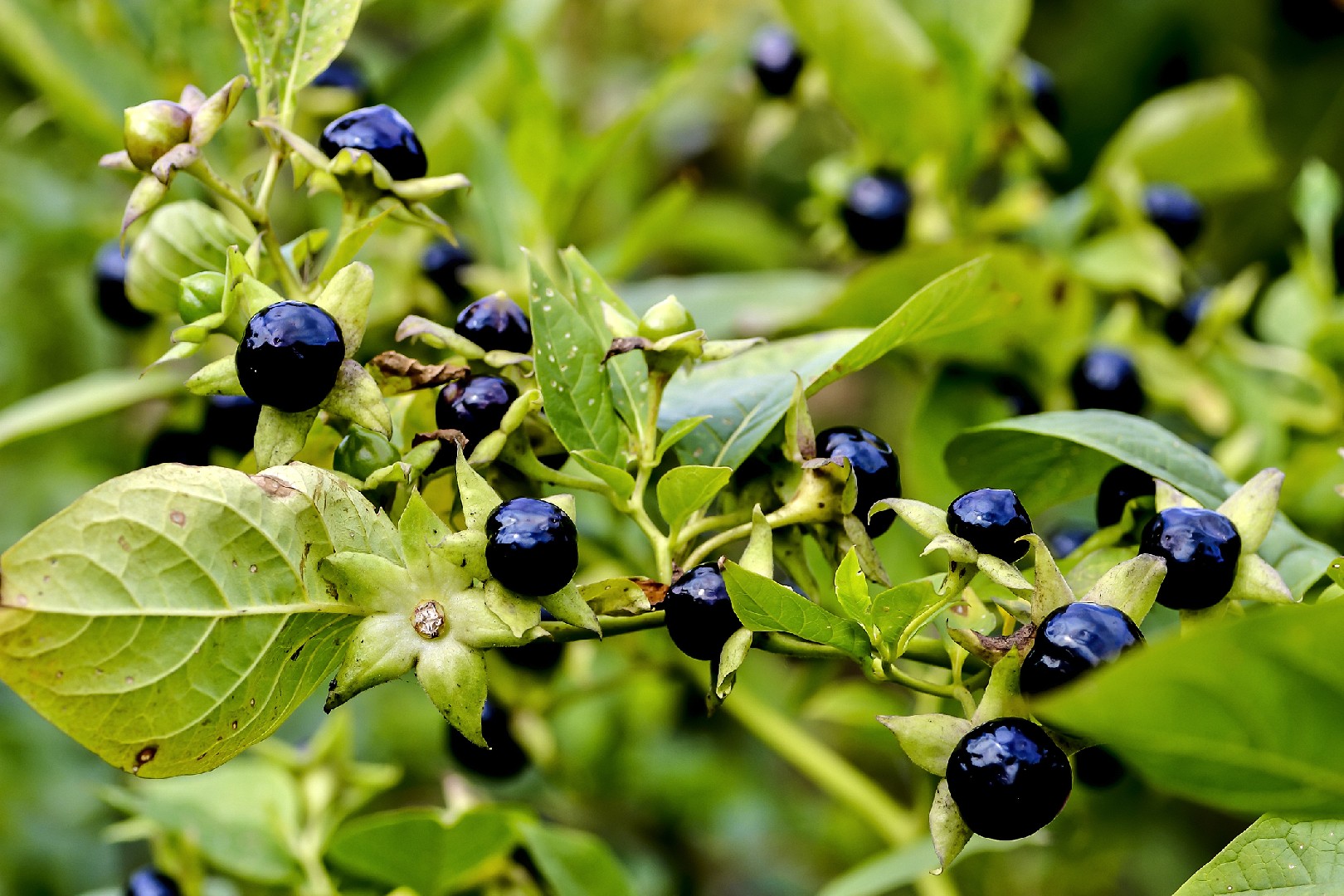
Pet owners cherish the joy and companionship pets bring to our lives, making their safety a top priority. Unfortunately, some plants that beautify our homes and gardens can pose serious threats to our furry friends. Recognizing and understanding these risks is crucial in preventing accidental poisonings. Common toxic plants include:
  1. Lilies (Lilium spp.): Especially dangerous to cats, even small ingestions of any part of the plant can cause severe kidney damage.
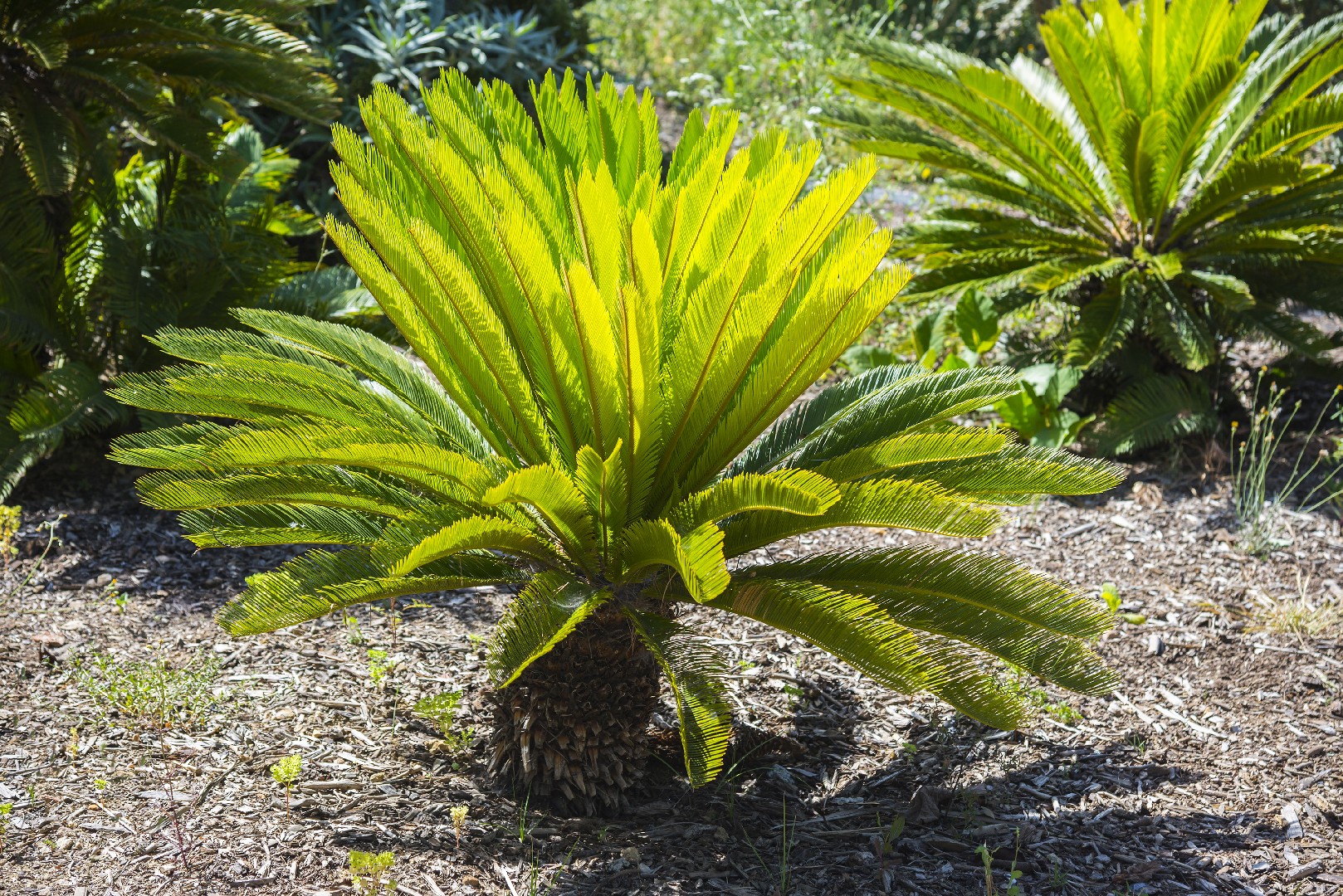
  2. Sago Palm (Cycas revoluta): Highly toxic to pets, especially dogs. Ingesting even a small amount of the leaves or seeds can cause vomiting, diarrhea, and in severe cases, liver failure.
  3. Tulips (Tulipa spp.): The bulbs of tulips are particularly toxic to dogs, causing oral irritation, drooling, and nausea.
  4. Azaleas (Rhododendron spp.): Ingesting just a few leaves can cause oral irritation, vomiting, and diarrhea in pets. Severe cases can lead to a drop in blood pressure, coma, and even death.
  5. Oleander (Nerium oleander): All parts of the oleander plant are toxic to pets and humans, causing severe cardiac complications.
Rectangle
Rectangle
Pet-Proofing Your Green Space: Prevention Tips
Creating a safe haven for your pets involves more than just cuddles and playtime; it also means ensuring their environment is free from potential dangers. Pet-proofing your green space is a vital step in this process. Start by conducting a thorough sweep of your indoor and outdoor areas, removing or securing toxic plants out of your pets' reach.
Consider replacing hazardous plants with pet-friendly alternatives. For instance, instead of lilies, opt for orchids or spider plants that add beauty without the risk. When designing your garden, choose robust, non-toxic plants that can withstand a curious paw or an occasional nibble.
Secure garden boundaries to prevent your pets from wandering into unsafe areas. Ensure fences are high enough and without gaps to keep pets safely within your watchful eye. Also, be mindful of what your neighbors might be growing, as plants can sometimes extend beyond property lines.
Train your pets to stay away from certain areas or plants. While this may require patience and consistency, positive reinforcement techniques can effectively teach your furry friends to steer clear of no-go zones.
Lastly, stay informed about the plants you bring into your home and garden. Regularly check resources from pet poison control centers or consult with your vet, especially when introducing new plants to your space.
Rectangle
Rectangle
In Case of Emergency: What to Do If Your Pet Ingests a Toxic Plant
Despite your best efforts to pet-proof your home and garden, accidents can happen. Knowing how to respond swiftly and correctly if your pet ingests a toxic plant can be life-saving. Here's a step-by-step guide on what to do in such emergencies:
  1. Stay Calm: Your pet needs you to be composed so you can take the necessary steps quickly and efficiently.
  2. Identify the Plant: If possible, identify the plant your pet has ingested. Take a sample or a photo of the plant for reference.
  3. Remove Plant Material from Your Pet's Mouth: Gently remove any remaining pieces of the plant from your pet's mouth to prevent further ingestion.
  4. Contact Your Veterinarian or Pet Poison Helpline: Immediate professional guidance is crucial. Have the contact details of your local vet or a pet poison helpline readily accessible.
  5. Follow Professional Advice: The instructions from your vet or the poison helpline are vital. They may instruct you on first aid measures or tell you to bring your pet to the clinic immediately.
  6. Keep an Eye on Your Pet: Monitor your pet closely for any signs of distress, such as excessive drooling, vomiting, or difficulty breathing, and report these symptoms to your vet.
Remember, time is of the essence in such situations. Fast action and professional guidance are key to ensuring the best possible outcome for your pet.
Rectangle
Creating a Safe Haven for Your Pets
By staying informed and proactive, you can create a living space that is a safe haven for your pets. Recognizing the risks of toxic plants, pet-proofing your home and garden, and knowing how to respond in an emergency are all essential steps in protecting your beloved pets. Let's make our homes and gardens safe and enjoyable spaces for every member of our family, paws and all.
Frame
Conclusion
Line
Cookie Management Tool
In addition to managing cookies through your browser or device, you can change your cookie settings below.
Necessary Cookies
Necessary cookies enable core functionality. The website cannot function properly without these cookies, and can only be disabled by changing your browser preferences.
Analytical Cookies
Analytical cookies help us to improve our application/website by collecting and reporting information on its usage.
Cookie Name Source Purpose Lifespan
_ga Google Analytics These cookies are set because of our use of Google Analytics. They are used to collect information about your use of our application/website. The cookies collect specific information, such as your IP address, data related to your device and other information about your use of the application/website. Please note that the data processing is essentially carried out by Google LLC and Google may use your data collected by the cookies for own purposes, e.g. profiling and will combine it with other data such as your Google Account. For more information about how Google processes your data and Google’s approach to privacy as well as implemented safeguards for your data, please see here. 1 Year
_pta PictureThis Analytics We use these cookies to collect information about how you use our site, monitor site performance, and improve our site performance, our services, and your experience. 1 Year
Cookie Name
_ga
Source
Google Analytics
Purpose
These cookies are set because of our use of Google Analytics. They are used to collect information about your use of our application/website. The cookies collect specific information, such as your IP address, data related to your device and other information about your use of the application/website. Please note that the data processing is essentially carried out by Google LLC and Google may use your data collected by the cookies for own purposes, e.g. profiling and will combine it with other data such as your Google Account. For more information about how Google processes your data and Google’s approach to privacy as well as implemented safeguards for your data, please see here.
Lifespan
1 Year

Cookie Name
_pta
Source
PictureThis Analytics
Purpose
We use these cookies to collect information about how you use our site, monitor site performance, and improve our site performance, our services, and your experience.
Lifespan
1 Year
Marketing Cookies
Marketing cookies are used by advertising companies to serve ads that are relevant to your interests.
Cookie Name Source Purpose Lifespan
_fbp Facebook Pixel A conversion pixel tracking that we use for retargeting campaigns. Learn more here. 1 Year
_adj Adjust This cookie provides mobile analytics and attribution services that enable us to measure and analyze the effectiveness of marketing campaigns, certain events and actions within the Application. Learn more here. 1 Year
Cookie Name
_fbp
Source
Facebook Pixel
Purpose
A conversion pixel tracking that we use for retargeting campaigns. Learn more here.
Lifespan
1 Year

Cookie Name
_adj
Source
Adjust
Purpose
This cookie provides mobile analytics and attribution services that enable us to measure and analyze the effectiveness of marketing campaigns, certain events and actions within the Application. Learn more here.
Lifespan
1 Year
This page looks better in the app
Open